
Partial Discharge
Low-energy electrical activity may influence the observed gas pattern.
DGA measures gases dissolved in transformer oil. The gas pattern and trend can support evaluation of electrical, thermal, insulation-related and air-related conditions when interpreted with asset history and operating data.
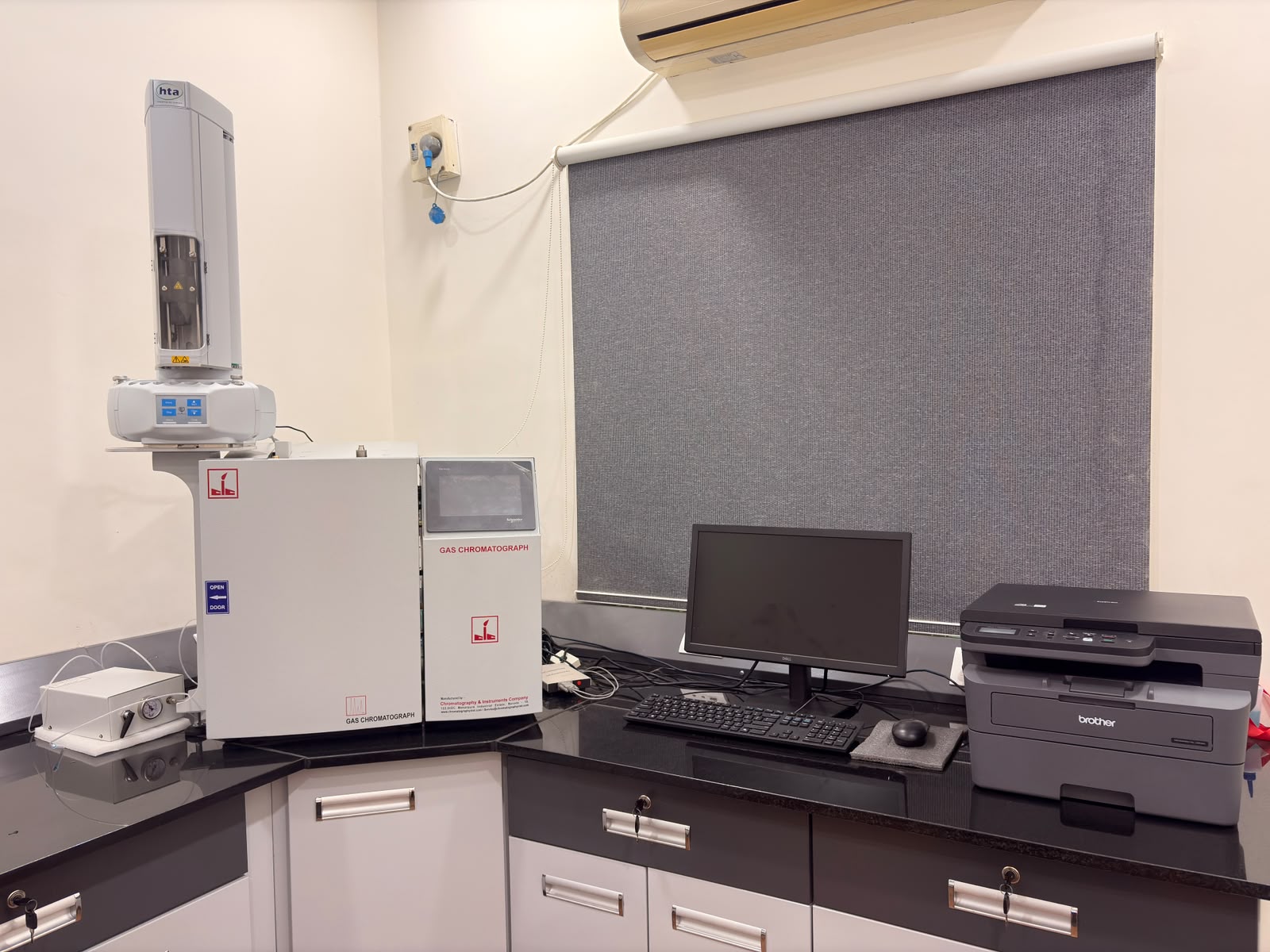
Gas results should be reviewed as a pattern and trend, not as isolated numbers.
The observed pattern may support further technical review of the following condition categories.
Low-energy electrical activity may influence the observed gas pattern.
Thermal activity and overheating can produce characteristic changes in dissolved gases.
High-energy electrical discharge may require urgent technical review.
Operating temperature, loading and localised heating should be considered.
Carbon oxides and companion evidence may support insulation review.
Oxygen and nitrogen data may support evaluation of ingress or sealing conditions.
DGA interpretation must consider gas concentrations, relative patterns, rate of change, transformer type, operating history, previous results, loading and other available evidence. The website should not publish universal alarm limits or promise a diagnosis without the complete technical context.
Share the transformer ID, operating context, sample count, previous DGA report and reason for testing so the requirement can be reviewed.